In restaurants, lounges and night clubs, AV is not just equipment. It is part of the room's atmosphere and part of daily operations.
The guest notices the result: comfortable sound, clear displays, controlled lighting, smooth event transitions and a room that changes energy throughout the day. Staff notices whether the system is easy to operate when the space is busy.
InfoComm's hospitality programming for 2026 points toward connected hospitality technology, adaptive lighting, immersive lobby and restaurant experiences, and scalable networked AV systems. AVIXA's 2026 trend work also emphasizes interoperability, digital signage, collaboration, sustainability and IT-connected systems.
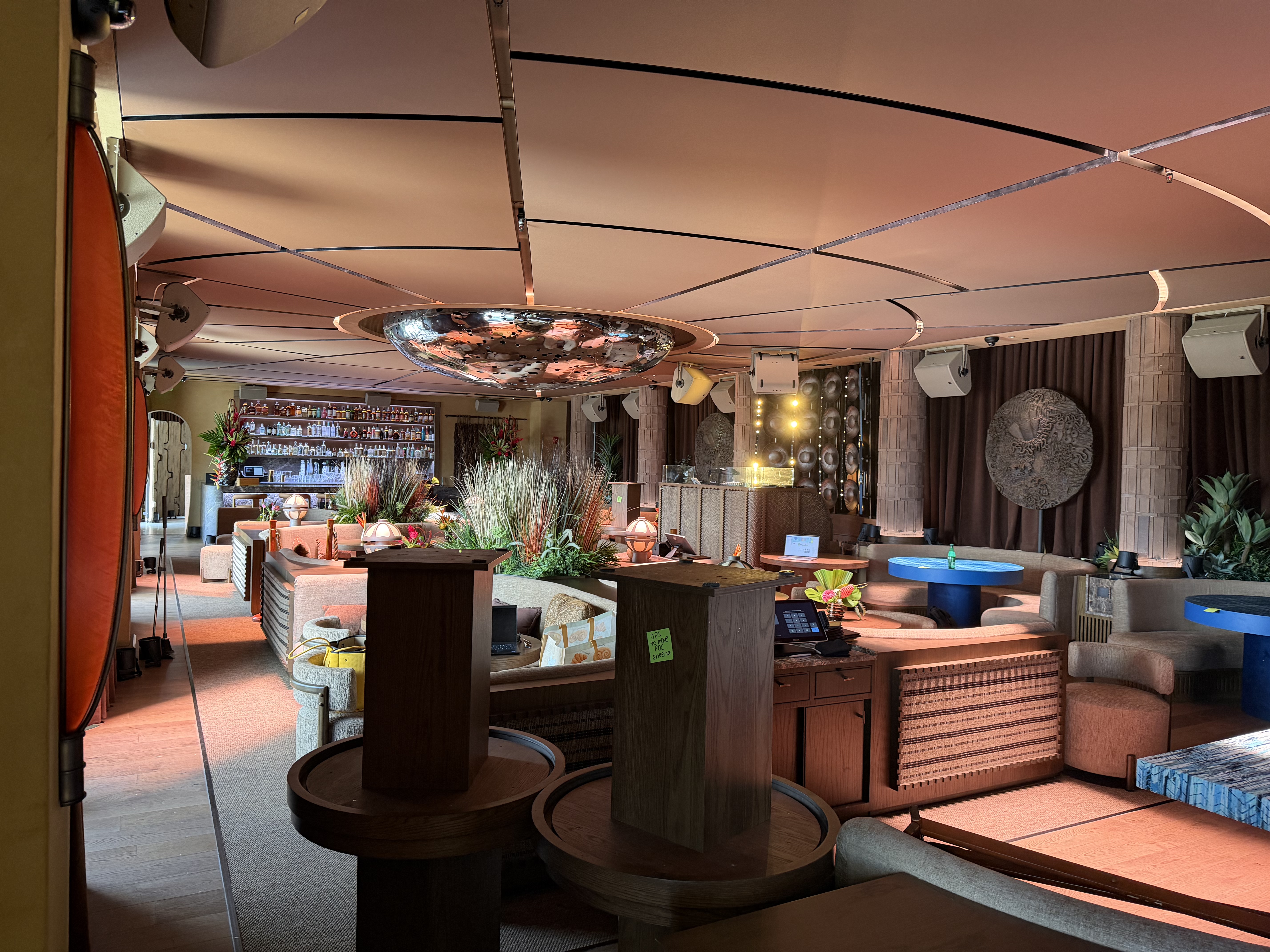
What matters in a hospitality system
- Audio coverage that feels even without overpowering guests.
- Lighting scenes for setup, service, dinner, late night, private events and close.
- Simple staff controls with the right limits and presets.
- Reliable rack and network infrastructure.
- Displays and signage that support the space instead of looking like afterthoughts.
- Clear zoning so patios, bars, private dining, restrooms and entrances can be adjusted separately.
- Event flexibility for DJs, presentations, private buyouts and special programming.
Design the system for operating pressure
Hospitality systems are used by many people, often under time pressure. A manager should not need to understand the whole rack to change the room from lunch to dinner. A bartender should not have to guess which volume control affects which zone.
The right system design gives the venue flexibility while keeping daily control simple.
Staff controls need to be intentional
One of the biggest differences between residential and hospitality work is the number of people touching the system. Owners, managers, bartenders, hosts, event teams and outside DJs may all interact with parts of it.
That does not mean everyone should have access to everything. The better approach is to create simple control layers:
- Daily presets for opening, service, dinner, late night and closing.
- Limited zone volume controls for staff.
- Manager-level access for deeper changes.
- Event inputs that are easy to connect and easy to remove.
- Remote support paths when service is needed.
When those roles are planned, the system feels easier and fewer things get accidentally changed.
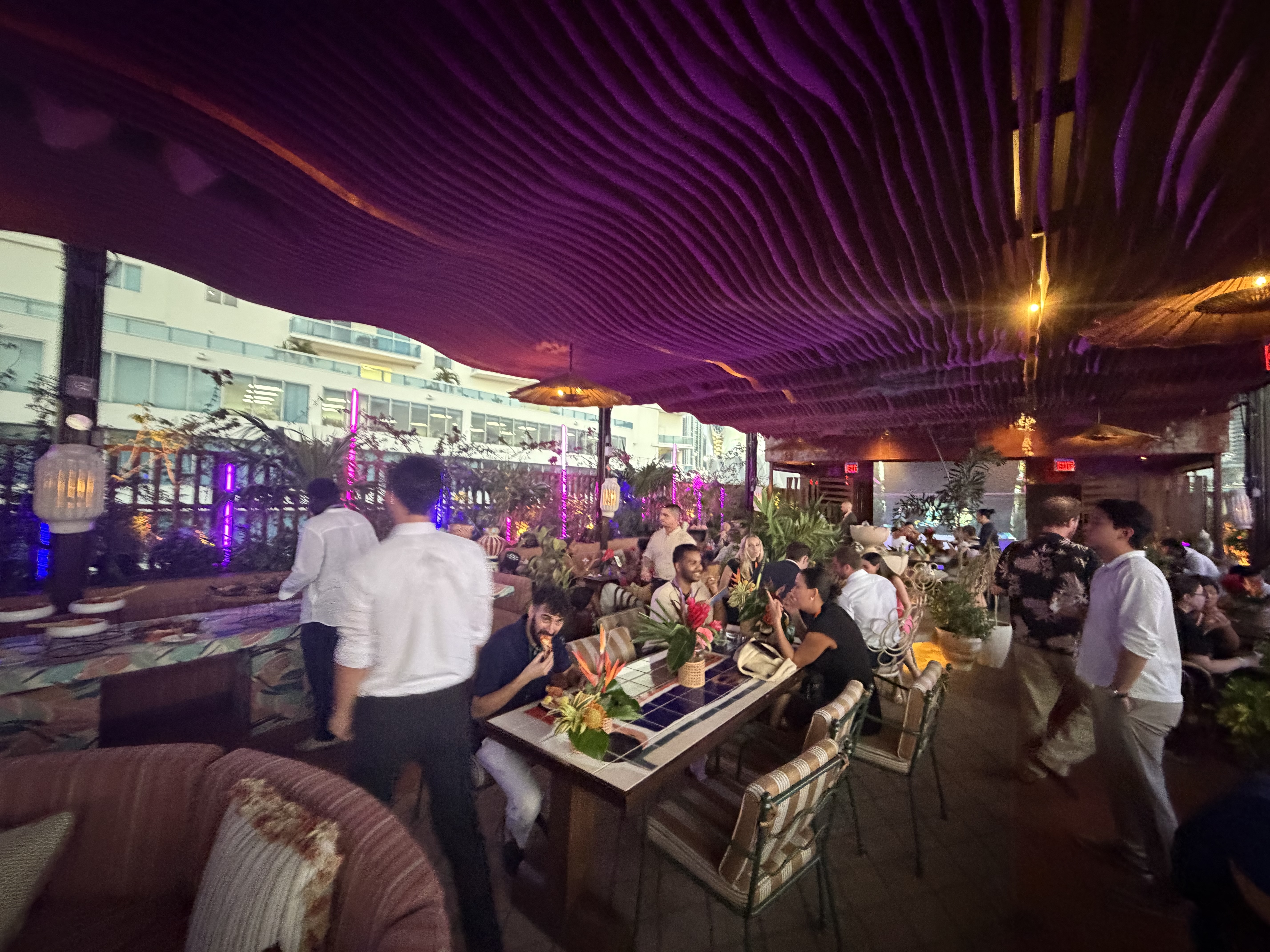
Audio coverage is not just volume
Guests notice bad sound quickly, even if they do not describe it in technical terms. A room may feel harsh, uneven, too loud at one table and too quiet at another. Good hospitality audio is about coverage, zoning, speaker placement, tuning and control.
Restaurants usually need clarity and comfort. Lounges and night clubs may need more output and more flexible event modes. Patios need weather-aware equipment and careful volume control so the space works without causing operational problems.
Plan for service before opening day
The best time to make a venue serviceable is before the venue opens. That includes labeled wiring, accessible rack locations, documented signal paths, remote support where appropriate and clear staff instructions.
Once a hospitality space is operating, downtime is expensive and disruptive. A clean AV infrastructure reduces the amount of guesswork during a service call and helps the venue get back to normal faster.
Sources: InfoComm 2026 hospitality technology, AVIXA 2026 AV industry trends