Lighting used to be treated as a finishing detail. In high-end homes, that is changing. The more useful question is no longer "which switch controls this fixture?" It is "what should this room feel like at breakfast, dinner, movie night, entertaining, cleanup and bedtime?"
Lutron's 2026 luxury residential trend reporting puts light, automated shades and control at the center of the home experience. That tracks with what clients ask for in real projects: less visible clutter, more comfortable rooms, better privacy, and scenes that make the home easier to live in.
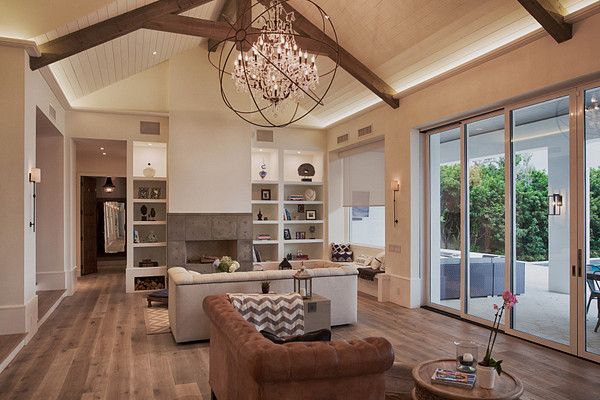
What this means for a homeowner
- Lighting should be planned with the architecture, not patched in after finishes are selected.
- Automated shades should be considered early, especially when pocket details, wiring, power and fabric choices affect the finished look.
- Keypads should simplify the wall, not add another confusing control layer.
- Scenes should match real routines: morning, away, entertain, dinner, movie, nighttime and security.
- The system should be easy for guests, family members and staff to understand without a training session.
- The control layout should be consistent from room to room so the home feels intentional.
The best systems are quiet. They change the room without making the technology the center of attention.
Scenes are where the value shows up
A well-designed lighting system is not just a group of dimmers. The real value is in scenes that combine multiple lights, shades and sometimes audio/video behavior into a single action.
For example, a "Dinner" scene might warm the dining area, lower surrounding lights, reduce glare from nearby windows and keep kitchen task lighting usable. A "Movie" scene may dim architectural lighting, lower shades, turn on pathway lights at a low level and prepare the display or projector. A "Goodnight" scene may turn off common areas, lower shades and leave selected pathway lights active.
That kind of programming is where the system becomes more than a luxury gadget. It becomes part of how the home works.
Why planning matters
Lighting and shading touch many trades: electrical, low-voltage, millwork, window treatments, interior design and automation programming. When those decisions are coordinated early, the final system looks cleaner and works better.
For new construction or major renovation, the right time to discuss lighting control and shades is before walls close and before ceiling, pocket and keypad details are finalized.
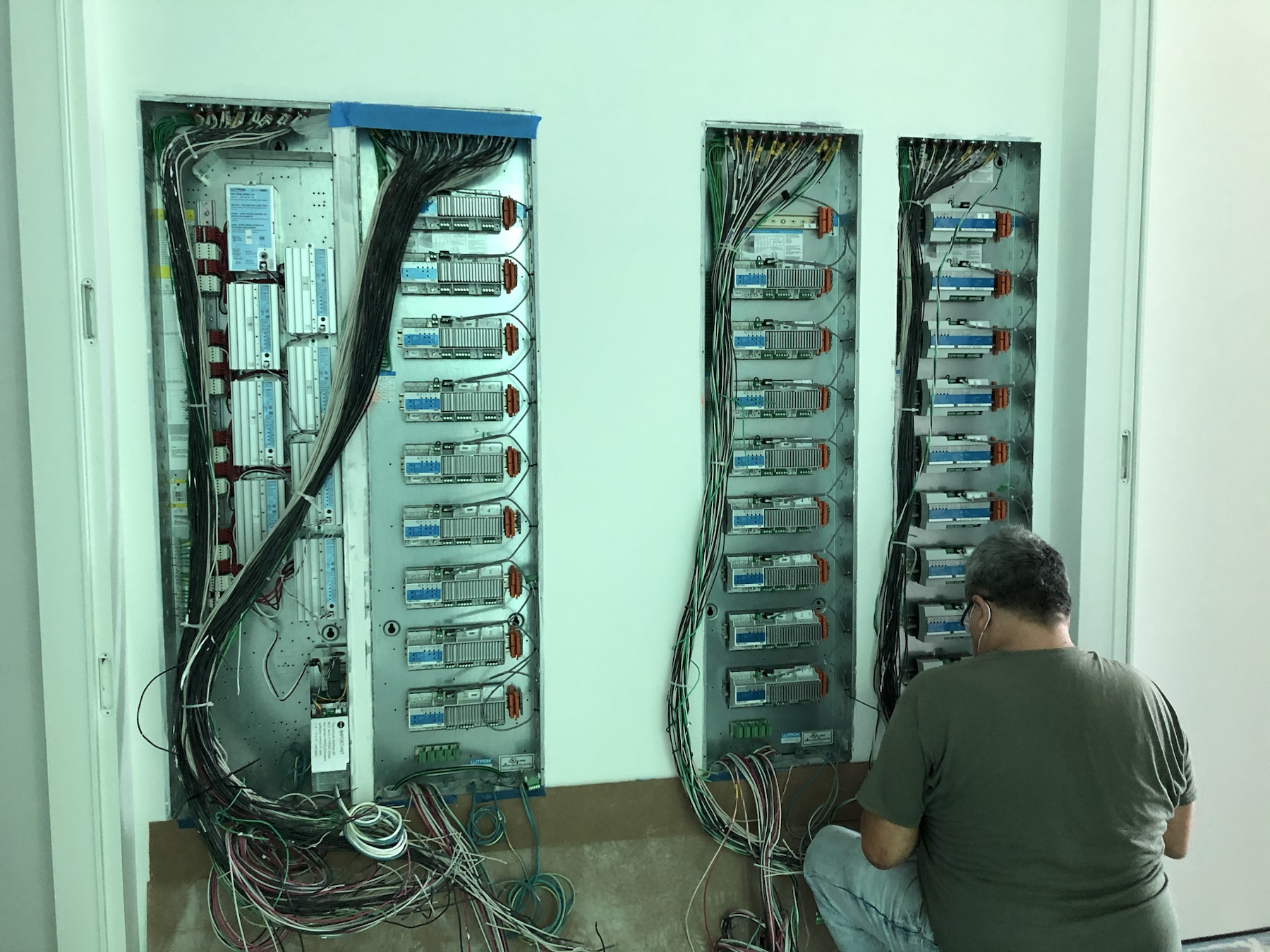
Details to decide early
- Where keypads should go, and which switch banks can be simplified.
- Whether shades should be recessed, exposed, fascia-mounted or integrated into pockets.
- Which rooms need blackout, privacy, solar screen or decorative fabric.
- How scenes should behave during daytime, evening, entertaining and away modes.
- Where lighting panels, shade power supplies and control processors will live.
- How the system should integrate with audio, video, security and climate.
These decisions are much easier before construction is complete. After finishes are installed, every change becomes more expensive and less elegant.
The WDG approach
WDG treats lighting and shades as part of the full electronic architecture of the home. That means the design is tied to wiring, control, user interface, equipment locations and service access.
The goal is not to make the home feel more complicated. The goal is the opposite: fewer visible controls, better scenes, cleaner details and a room that feels right throughout the day.
Sources: Lutron 2026 Trend Report, CEDIA Expo 2026 design trends